
Landlord vs. Operator: What's Actually the Difference?
A landlord owns rental property and reacts to it: rent comes in, problems come up, and the measure of success is whether the property cash flows. An operator owns the same property and runs it as a business: they know its numbers weekly, assign ownership for every result, find and fix the leaks, and manage the asset toward higher NOI, lower risk, and greater value. The difference is not the deed, the door count, or whether you hired a property manager. It is whether the portfolio is managed by system or by reaction — and over time, that difference is the wealth.
Same property, two different businesses
Put two owners in front of the identical 12-unit building. Same tenants, same rents, same debt.
The landlord asks one question: does the property cash flow?
The operator asks a different set: What is this asset actually producing? Where is value leaking? Who owns each result? What is the return on my equity? What risks threaten the asset? And what are the next three actions that materially improve NOI, control, or value?
Same building. Two completely different businesses. And in five years, two completely different outcomes — because the questions you ask determine the actions you take, and the actions compound.
I have spent 20 years and 200+ transactions learning this, and I operate 125 doors today across Tampa, Florida and Northeast Pennsylvania. Here is the principle everything else in this article hangs on: you do not own a collection of rental properties. You own an operating business whose assets happen to be real estate. The moment you accept that, everything about how you run your portfolio changes.
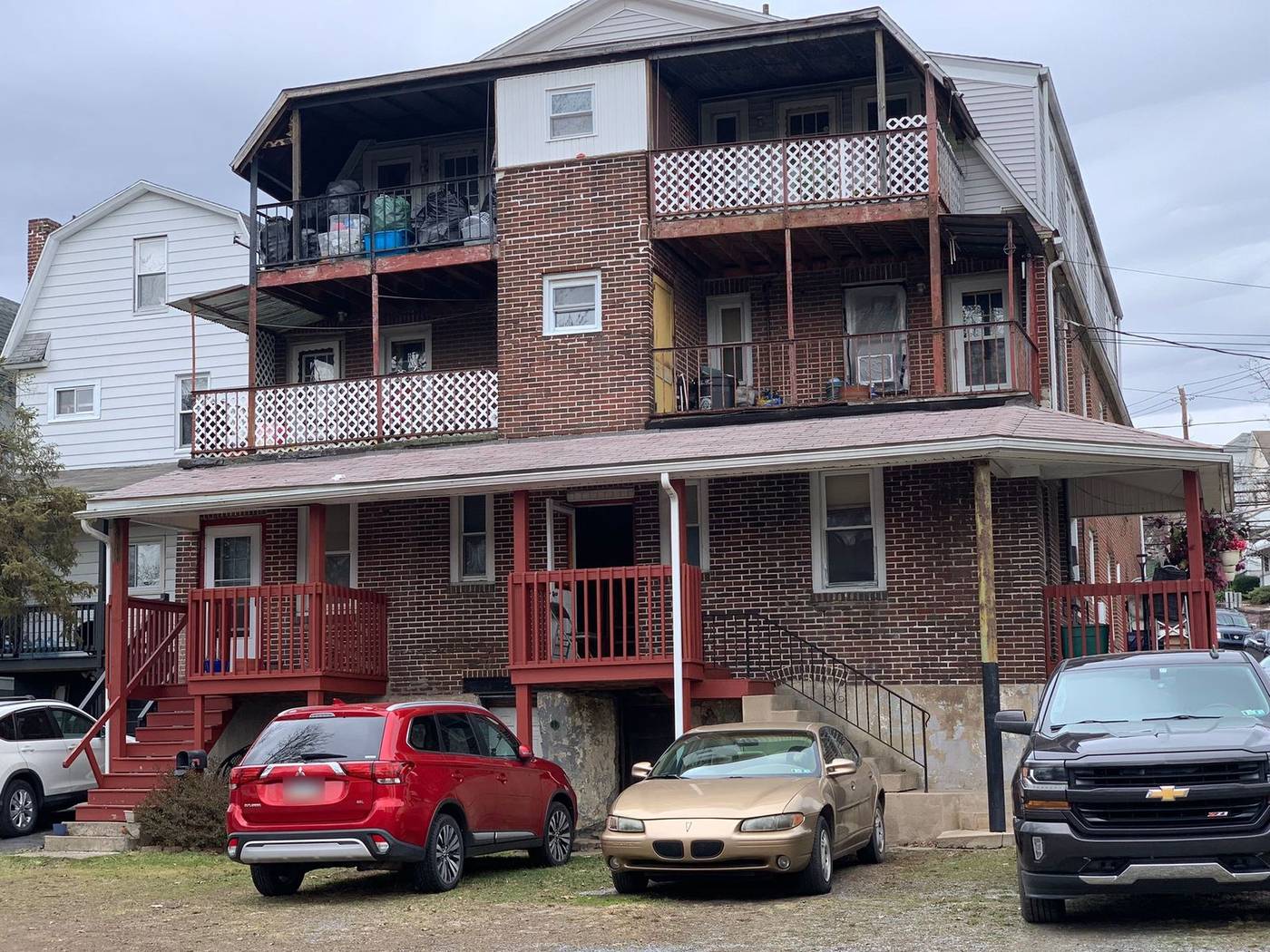
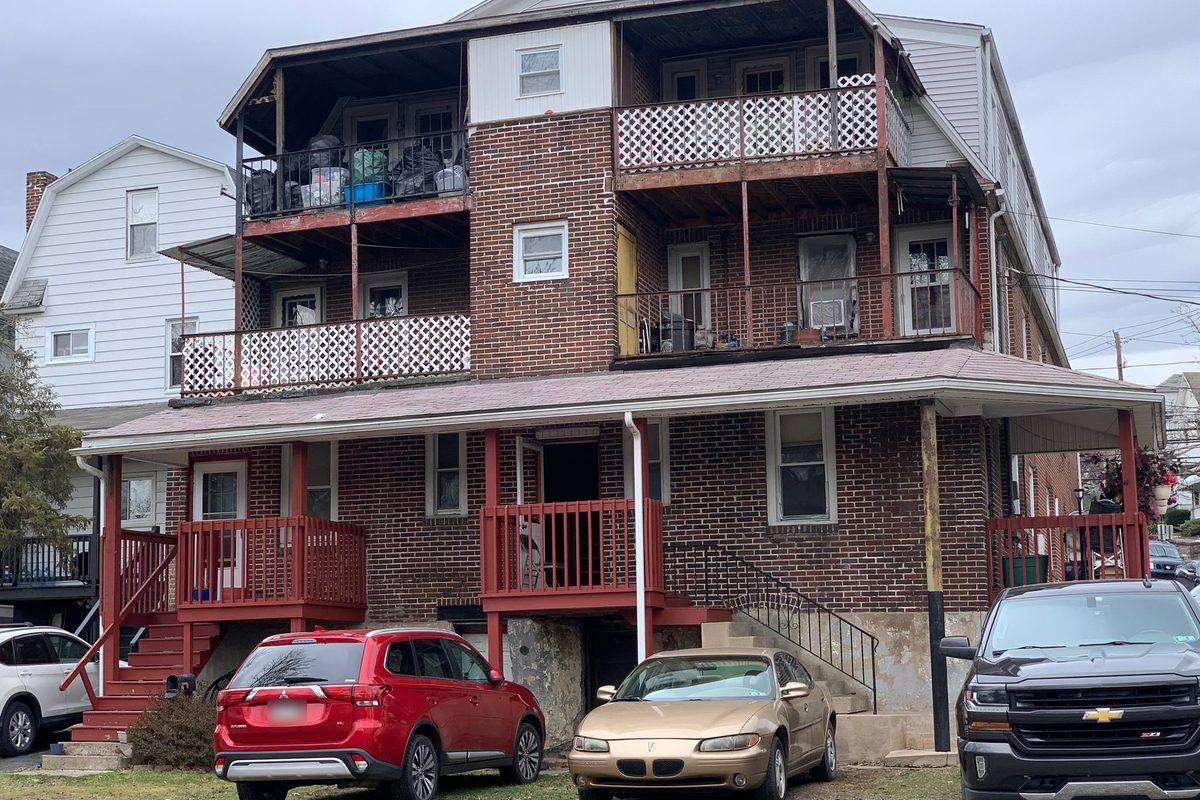
This is the back of this building the day I bought it, from a tired landlord. The bags on the third-floor balcony belonged to a tenant who hadn't paid rent in months. That's what a property looks like when it's run by reaction instead of by system.
The difference, side by side
Topic | Landlord | Operator |
|---|---|---|
Core question | Does it cash flow? | What improves NOI, control, and value next? |
Numbers | Checks the bank account monthly | Reviews a fixed scorecard weekly |
Occupancy | Full = success | Full = the beginning; stability is the standard |
Accountability | “The property manager handles it” | Every result has one named owner |
Reports | Takes them at face value | Verifies them against direct audits |
Problems | Reacts when they surface | Catches trends before they become emergencies |
Equity | Discovers it at sale or refi | Tracks return on equity and puts it to work |
Success measure | The property pays for itself | Predictable cash flow without constant owner intervention |
Every row is the same underlying move: replacing reaction with system.
Occupancy is where the difference shows first
Across 125 doors in two markets, the place I see the landlord-operator gap surface first is always the same: occupancy. Because occupancy is the number that flatters landlords — and lies to them.
A building can be occupied on paper and still not be a stable asset. I have owned buildings like that. The rent roll says full; underneath it there are collection issues, tenants who will not renew, units deteriorating quietly, expenses drifting up, and management reports that do not tell the full story. A landlord looks at that rent roll and sees success. An operator looks underneath it and sees leaks — scheduled rent that is not becoming collected rent, which is the only rent that counts.
A 100% occupied building with weak collections and drifting expenses is in worse shape than a 92% occupied building that collects everything it bills and controls its costs. The first one just hides it better. That is why “is it full?” is a landlord’s question, and why the operator’s standard is stability: occupancy, collections, expense control, tenant quality, reporting discipline, and predictable cash flow — reviewed every week, on the same scorecard, and verified against direct audits rather than taken from reports. Reports are not reality. Verification is reality.
When one of our assets hits a milestone — full occupancy, a collections streak, a clean stabilization — the milestone is never the point. The point is that we knew, every week on the way there, exactly which units were vacant, which were in turn, what was collected, and what was slipping. The operator difference is that the result is produced by the system, not discovered by it. That is also the difference an appraiser and a lender can see: stabilized, verified income is what creates equity and borrowing power — a dynamic I break down deal-by-deal in the BRRRR article.
Hiring a property manager does not make you an operator
This is the most common escape hatch, and I want to close it directly: delegating the work is not the same as operating the business.
A property manager executes. Leasing, maintenance, collections — that is execution, and it can absolutely be delegated. What cannot be delegated is verification and ownership of outcomes. If the business plan assumes 95% occupancy, someone owns occupancy. If it assumes market rents, someone owns pricing. If it assumes timely collections, someone owns delinquency. “The property manager” is not an answer to who owns the result — because execution can be delegated, but verification cannot be delegated to the same person performing the work.
A landlord hires a manager and stops looking. An operator hires a manager and installs a scorecard: the same numbers, every week, so trends surface while they are still cheap to fix. The manager is a critical member of the team. They are not the owner of the outcome. You are.
What operating actually looks like, day to day
Strip away the philosophy and the operator’s system is concrete. One portfolio view that shows units, occupancy, scheduled versus collected rent, delinquency, NOI, debt service, equity, and upcoming maturities — so you can explain the financial health of everything you own in five minutes without opening five systems. One weekly review, twenty minutes, same scorecard every time. One named owner, one measurable outcome, and one reporting cadence for every result that matters. A standing hunt for leaks — under-market rents, unnecessary vacancy, slow turns, weak collections, owner-paid utilities, vendor creep — ranked by financial impact, with the top three getting fixed before the bottom twenty get touched. And a stress test on every asset: what happens if rents come in 5% under, vacancy hits 10%, expenses rise 10%? Does the property make less money, or does it break?
None of this requires talent. It requires standards, held weekly. Which is exactly why most owners never do it — and why the ones who do pull away.
The honest self-test
Answer yes or no, right now, without opening anything:
I can state the NOI of every property I own. I know my portfolio occupancy today. I know exactly which units are delinquent. I know my average days vacant. Every important operating result has a named owner. I know the three biggest leaks in my portfolio.
Six yeses and you are operating. Three or fewer, and your portfolio is being managed more reactively than you realize — and your first priority is not another acquisition. It is establishing control of what you already own. That is precisely what my 30-Day Operator Reset walks you through: one month, five moves, from reactive landlord to operating discipline.
Why this is the difference that compounds
Buying real estate can create wealth. Operating it well is what protects and compounds that wealth. The asset is not finished when you buy it, when the renovation ends, or when the units fill. The operating sequence runs construction, lease-up, stabilization, optimization, durable financing — and every stage after the purchase is operating, not owning.
Inside that same building, before and after we took over operations:
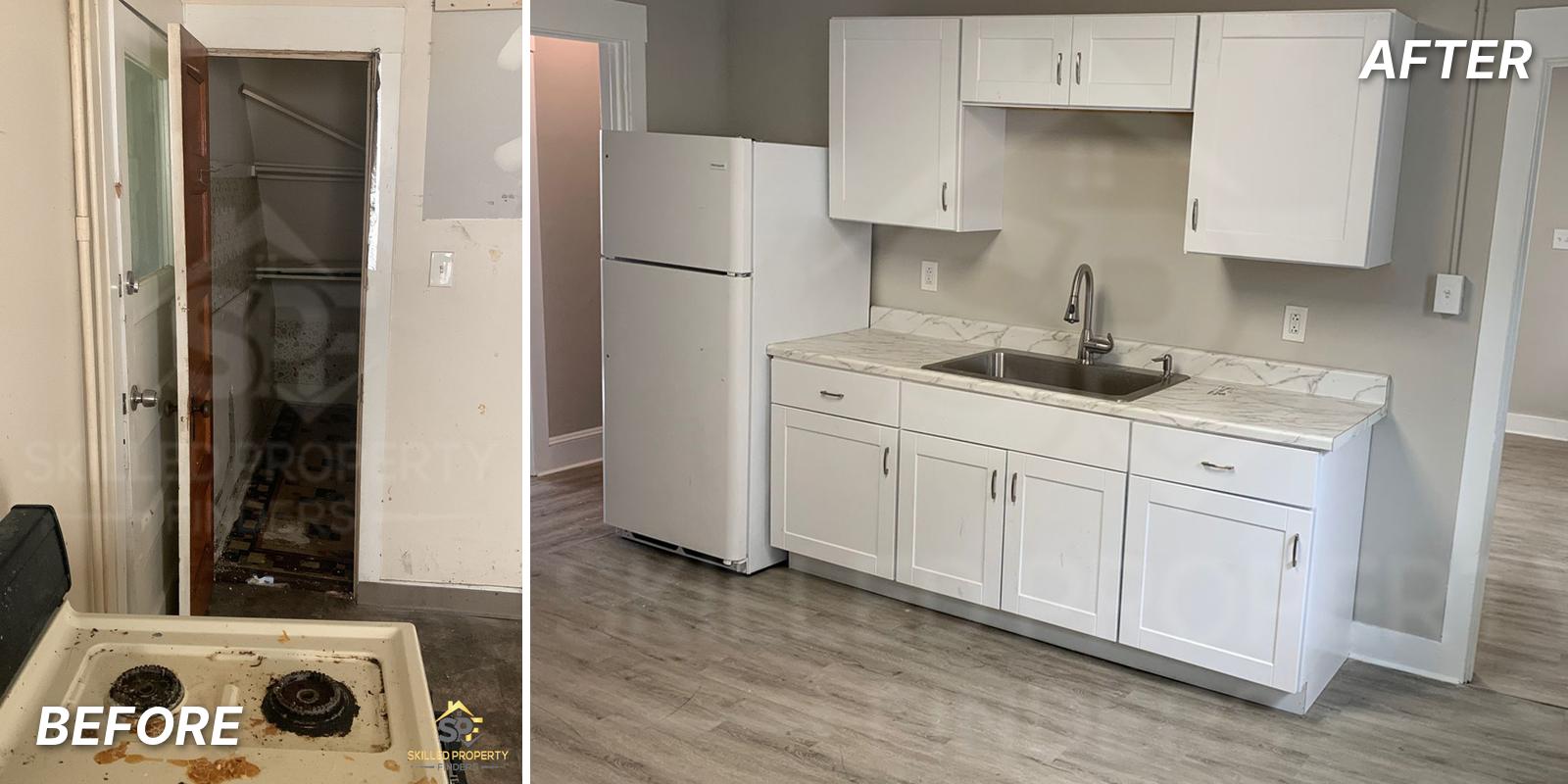
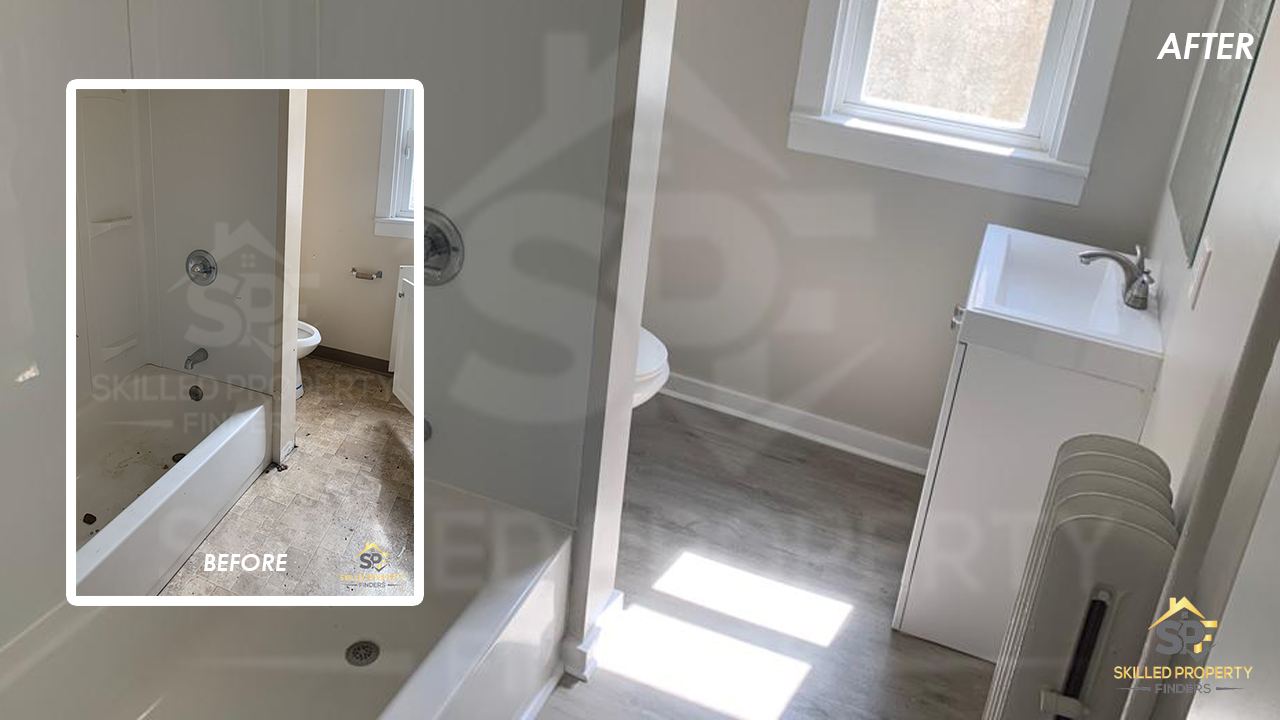
The landlord and the operator can buy the same deal on the same day. The operator ends up with higher NOI on the same building, which is more value at the same cap rate, more borrowing power at the same appraisal, and more equity doing work instead of sleeping. Run that gap across a portfolio and across a decade, and the difference is not a management style. It is the wealth itself.
The market rewards this more right now than at any point in the last decade. Cheap money used to cover for reactive management. It no longer does. Landlord or operator was always the real question. Today’s market just grades the answer.
Frequently asked questions
What is a real estate operator?
A real estate operator is an owner who runs their rental portfolio as an operating business: tracking a fixed set of numbers weekly, assigning a named owner to every result, verifying reports against reality, and managing each asset toward higher NOI, lower risk, and greater value. The term describes a discipline, not a title or a portfolio size.
Doesn’t hiring a property manager make me an operator?
No. A property manager executes leasing, maintenance, and collections, but execution and verification are different jobs — and verification cannot be delegated to the same party doing the work. An operator keeps a weekly scorecard and owns the outcomes; a landlord with a property manager has delegated the work and, too often, the attention.
How do I go from landlord to operator?
Start by establishing the truth: build one view of your portfolio’s occupancy, collections, NOI, debt, and equity. Then install a weekly scorecard, assign a named owner to every key result, identify your three biggest leaks, and fix those before anything else. Done with discipline, that transition takes about 30 days — which is exactly what the 30-Day Operator Reset is built for.
